The Rookie Traps: Five Borrowing Products That Empty Wallets, and the One Worth Signing

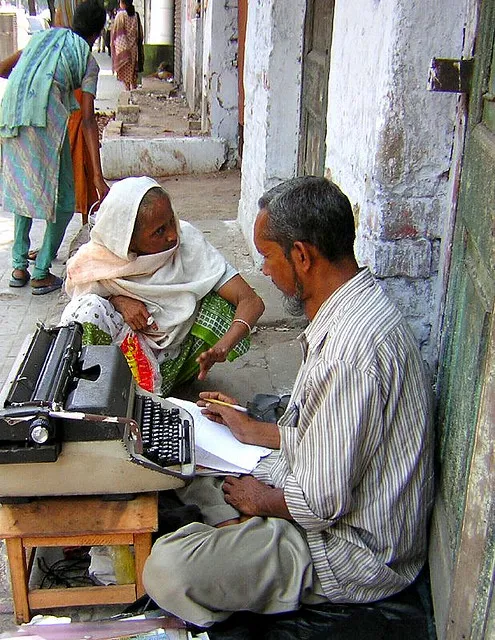
Photo: SableSteel, CC BY-SA 3.0, via Wikimedia Commons
Nobody hands you a finance degree when you turn 18. What you get instead is a mailbox full of offers, a phone full of apps, and a marketplace engineered to extract the most from borrowers who've never read the fine print before.
If you're new to credit, the products below aren't neutral options to weigh. They're traps with marketing budgets. Here's what each one actually costs, and what to sign instead.
1. Payday Loans: The 400% APR Problem
A typical payday lender advertises a fee, not a rate — say, $15 per $100 borrowed. That sounds mild until you annualize it. A two-week loan at that fee carries an APR north of 390%.
The real danger is the rollover. The Consumer Financial Protection Bureau has found that the majority of payday loans are re-borrowed within a month, with many borrowers taking out ten or more loans in sequence. Each renewal adds another fee while the principal never shrinks. A $400 emergency can metastasize into $1,000 in fees before the year ends.
Roughly twenty states plus the District of Columbia have capped or effectively banned payday lending, but in the states where it thrives, the storefronts cluster near military bases and low-income neighborhoods by design.
2. Title Loans: Your Car as Collateral, Your Job as Leverage
Hand over your car title, borrow a fraction of what the vehicle is worth, and pay 25% monthly interest — an APR around 300%. Miss a payment and repossession is not a possibility; it's the business model.
The math is worse than it looks. Title loans are usually due in 30 days, and most borrowers can't clear a lump sum that large on one paycheck, so they roll over — again and again. Studies of title lending markets have found that a substantial share of borrowers lose their vehicles to repossession. Losing a car in much of America means losing your commute, and often your job.
3. Rent-to-Own: The Infinite Payment
Rent-to-own furniture and electronics stores advertise weekly payments with no credit check. What they don't advertise is the total. A living room set retailing for $1,200 can cost $2,500 or more across the contract term — an implied APR that frequently exceeds 100%.
Worse, you don't own anything until the final payment. Miss one, and the store repossesses the merchandise, keeping everything you've already paid. You can lose a $2,000 investment in a $600 sofa.
4. Buy-Now-Pay-Later Stacks: The Death by a Thousand Splits
BNPL itself isn't always ruinous — a single interest-free four-payment split you can afford is mostly harmless. The trap is the stack. Because these apps don't report to the major credit bureaus and don't check your ability to repay, nothing stops a borrower from carrying six, eight, or twelve simultaneous plans across Klarna, Afterpay, Affirm, Zip, and PayPal.
Each plan looks small. Together they're an invisible second rent. Miss a payment and you face late fees, account suspension, and — as bureau reporting expands — credit damage you never saw coming. The CFPB has repeatedly flagged the stacking problem, and 2024–2025 rulemaking has begun pushing these apps toward the same disclosure standards as credit cards.
5. Subprime Auto Financing: The Dealership's Second Profit Center
Buy here, pay here lots and subprime auto lenders routinely write loans at 18% to 25% APR to borrowers with thin credit — often on vehicles marked up well above market value. A $15,000 car financed at 22% for six years costs over $26,000, and the car will be worth a third of that by the final payment.
The classic trap is the long term: 72- and 84-month loans that keep you underwater on a depreciating asset. When the transmission fails in year three, you owe more than the car is worth and still have to pay to fix it.
The One to Take Instead: The Credit-Builder Loan
Here's the plot twist — there's a product designed specifically for first-time borrowers, and it's boring in the best way.
A credit-builder loan, offered by many credit unions, community banks, and fintech apps like Self, works in reverse: the lender deposits a sum (often $500 to $2,500) into a locked savings account, and you make small monthly payments — frequently $25 to $50 — until it's paid off. Then the money is released to you.
Every payment is reported to all three credit bureaus. You finish the term with a payment history, a savings balance you funded yourself, and typically total interest costs under $100. Credit unions, which are member-owned and subject to an 18% federal rate cap on most loans, are often the cheapest place to find one.
Pair it with a secured credit card used for one small monthly subscription, paid in full, and within 12 to 18 months you'll have a credit file that qualifies you for mainstream products — the auto loans, personal loans, and mortgages the products above exist to replace.
The Pattern to Remember
Notice what all five traps share: no credit check, fast approval, and a fee structure designed to be unclear until you're already inside it. Legitimate lenders check your credit precisely because they plan to keep you as a customer, not as a revenue stream.
Your first loan shouldn't fund anything. It should build something — and a credit-builder loan does exactly that, at the cost of a pizza night per month.