The Hidden Clock on Your Loan Offer: How Timing Windows and Rate Locks Are Engineered to Cost You More
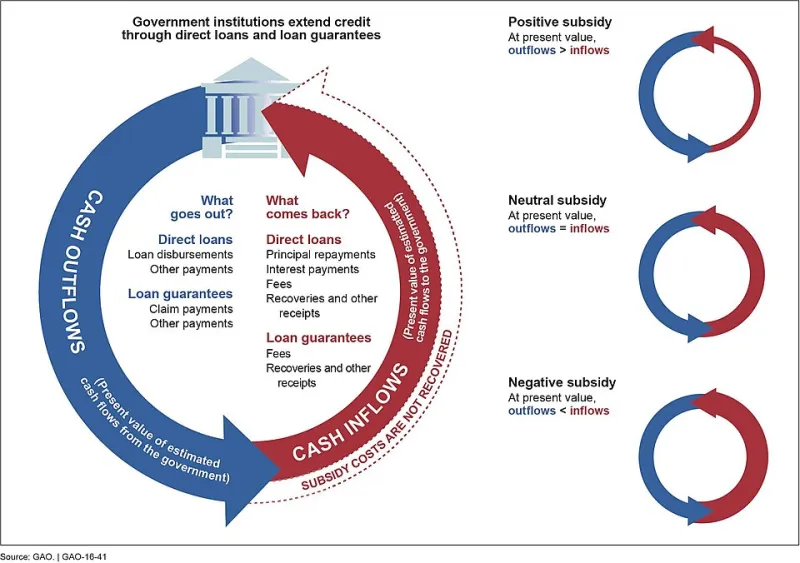
Photo: U.S. Government Accountability Office, Public domain, via Wikimedia Commons
When a lender hands you a loan offer, the clock starts ticking — and that clock is rarely set in your favor. Across mortgage applications, personal loans, and auto financing, lenders routinely attach expiration dates to their quoted rates, creating an artificial sense of urgency that pressures borrowers into committing before they've had adequate time to shop around. For Americans who don't recognize this tactic, the financial consequences can be significant.
At Finance Loans US, we believe that informed borrowers make better decisions. That starts with understanding exactly how lenders use time to their advantage.
Why Lenders Build Deadlines Into Their Offers
A loan rate quote is not a permanent fixture. Lenders tie their pricing to fluctuating benchmarks — the federal funds rate, the Secured Overnight Financing Rate (SOFR), and Treasury yields, among others. When market conditions shift, the rate they quoted you yesterday may no longer reflect what they're willing to lend at today.
But here's the part many borrowers miss: lenders also use expiring offers as a behavioral nudge. Research in behavioral economics consistently shows that artificial scarcity — the feeling that something valuable is about to disappear — accelerates decision-making and suppresses critical thinking. A 48-hour rate lock window, a "limited-time pre-approval," or a loan officer who calls twice in a single afternoon are not coincidences. They are deliberate design choices.
According to data from the Consumer Financial Protection Bureau, a meaningful percentage of mortgage borrowers accept the first loan offer they receive without comparing alternatives. Lenders know this. Compressed timelines are one of the tools they use to keep that statistic in their favor.
The Rate Lock Mechanics You Need to Understand
In the mortgage market specifically, a rate lock is an agreement that freezes your interest rate for a defined period — typically 30, 45, or 60 days — while your application is processed. Longer lock periods generally cost more, either through a slightly higher rate or an upfront fee. On the surface, this seems like a reasonable risk-management tool. And it is — for the lender.
The trap emerges when borrowers conflate a rate lock with a commitment to that lender. They are not the same thing. You can obtain a rate lock from one lender, continue comparing offers from competitors, and choose a different lender entirely before closing. Many Americans don't realize this, and lenders rarely volunteer the clarification.
For personal loans and auto financing, formal rate locks are less common, but lenders still publish "offer expiration" windows — often 14 to 30 days — after which your pre-approval may require a new credit inquiry to refresh. This is where the pressure compounds: the fear of triggering another hard inquiry keeps borrowers from continuing their search.
Recognizing When You're Being Rushed
Not every deadline is a manipulation. Some are genuine. The skill lies in distinguishing between the two. Here are the signals that suggest a lender is engineering urgency rather than communicating a legitimate market condition:
- Vague justifications for the deadline. Phrases like "rates could change any day" or "this offer won't last" without specific market data attached are soft pressure tactics, not actionable intelligence.
- Repeated unsolicited contact. Multiple follow-up calls or emails within 24 to 48 hours of receiving an offer are designed to keep you emotionally activated and less likely to pause and compare.
- Penalties framed as protections. Some lenders describe early commitment fees as "rate protection" — framing a cost to you as a benefit.
- Urgency that doesn't match market conditions. If rates have been relatively stable for weeks, a lender's insistence that you must decide immediately deserves scrutiny.
When you notice these patterns, the most effective response is deliberate slowdown. Take the time you need. A legitimate lender will accommodate a reasonable request for additional review time.
The 45-Day Shopping Window and Hard Inquiry Strategy
One of the most powerful tools available to American borrowers is the credit bureau's rate-shopping accommodation. For mortgage, auto, and student loans, multiple hard inquiries made within a 14- to 45-day window are typically counted as a single inquiry for scoring purposes, depending on the credit model being used.
This means the fear of credit damage from comparison shopping is largely unfounded — provided you concentrate your applications within this window. The strategy is straightforward: do your research first, identify your top three to five lenders, and submit applications in a tight cluster rather than spacing them out over weeks.
Personal loans operate somewhat differently. Because they don't always fall under the rate-shopping consolidation rules in every scoring model, spacing personal loan applications by at least 30 days is a more cautious approach. Many lenders now offer soft-inquiry pre-qualification tools that let you see estimated rates without affecting your score at all — use these extensively before committing to a formal application.
A Timing Checklist for Different Loan Types
Optimal timing varies depending on what you're borrowing. Use this framework as a starting point:
Mortgage Loans
- Begin formal applications only after gathering documentation (pay stubs, tax returns, bank statements).
- Cluster all lender applications within a 14-day window to minimize scoring impact.
- Request 45- to 60-day rate locks to allow adequate closing timelines without rushed decisions.
- Avoid locking a rate more than 60 days before your anticipated closing date unless you're paying a float-down option.
Auto Loans
- Secure pre-approval from a bank or credit union before visiting a dealership. Dealer financing is often marked up.
- Apply to two to three lenders within the same week.
- Avoid accepting a rate quote that expires in fewer than 10 business days without first completing your comparison.
Personal Loans
- Use soft-pull pre-qualification tools from multiple lenders before submitting any formal application.
- Once you've identified your preferred lender, submit a single formal application rather than multiple simultaneous ones.
- Review the full APR, not just the interest rate — origination fees can add hundreds to the total cost.
Taking the Timeline Back
The most important shift American borrowers can make is psychological: recognize that the timeline is negotiable. Lenders want your business. A well-qualified borrower who asks for 72 additional hours to review an offer is not a borrower a lender wants to lose over a deadline.
If a lender refuses to accommodate a reasonable request for review time, that rigidity is itself useful information. It suggests the offer may not stand up well to comparison.
At Finance Loans US, our comparison tools are designed to let you evaluate multiple lending options at your own pace — without the artificial pressure of an expiring clock. Smart borrowing isn't about moving fast. It's about moving with full information.